Dead Ball, Dead Accountability: The Timeout Trick Coaches Don't Want You to Notice
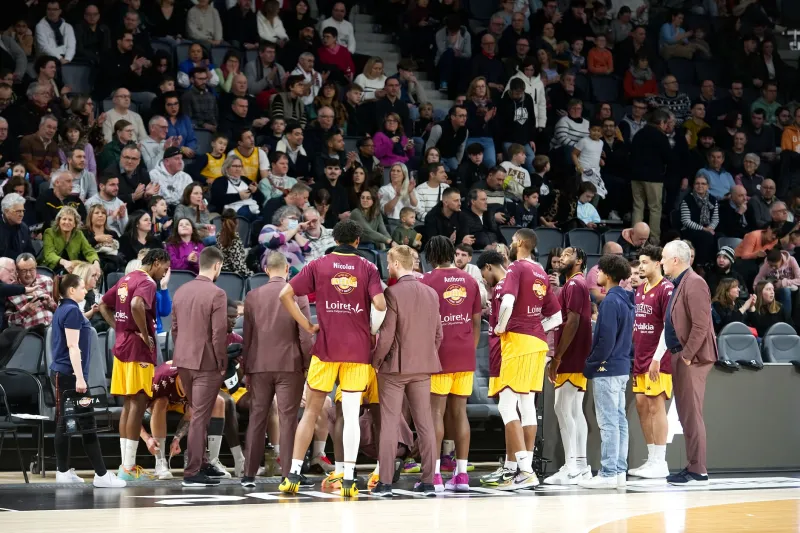
There's a moment that happens in almost every close NBA game, usually somewhere in the fourth quarter, that most fans have trained themselves to read wrong. A play breaks down. A turnover happens. A shot goes up and clanks off the back iron. And before the other team can even push the ball past half court, a timeout gets called.
The broadcast cuts to a commercial. The coaches huddle their guys. And when play resumes, everyone sort of... moves on.
That's the trick. And it works every single time.
The Stopwatch as a Shield
Coaches have always used timeouts to manage momentum, rest tired legs, and diagram plays that the defense hasn't seen yet. That's the textbook version. The version that gets taught in clinics and celebrated in film sessions.
But there's a quieter use of the timeout that doesn't show up in the coaching manual — the kind that gets called not because a coach knows what to do next, but specifically because he doesn't. It's the stoppage that creates the illusion of control when control has already left the building.
Think about how a timeout actually functions in the moment. The game pauses. The crowd settles. The players gather around a whiteboard. And the narrative resets. Whatever just happened — a botched play call, a misread defense, three straight possessions of isolation ball that went nowhere — it gets absorbed into the dead air. By the time play resumes, the commentators are already talking about what comes next.
The timeout didn't fix anything. It just buried the evidence.
Pattern Recognition in the Huddle
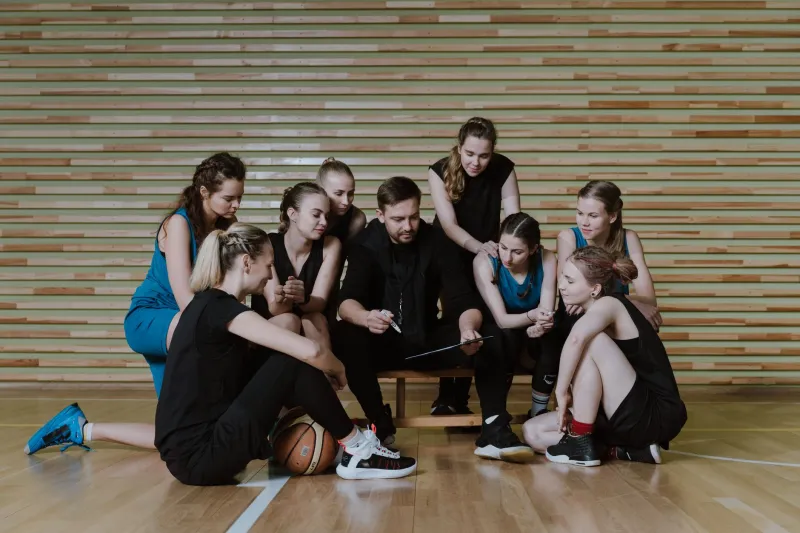
Watch enough NBA basketball and you start to notice which coaches are calling timeouts with a purpose and which ones are calling them to breathe. The tells are subtle but real.
A timeout with intent looks like this: the team comes out of the huddle and runs something specific, something the defense wasn't sitting on. There's movement, there's a designed action, and more often than not, it results in a quality look. Doc Rivers in his Boston prime was excellent at this. Gregg Popovich built a career on turning dead time into precision. Those guys weren't just stopping the game — they were rewriting it.
A timeout without intent looks different. The team comes out, resets into the same offensive set they've been running all quarter, and either forces a shot or burns more clock. Nothing changed in the huddle because nothing could change. The coach didn't call that timeout to install a new wrinkle. He called it because the moment felt like it was getting away from him and he needed to feel like he was doing something.
The NBA has no shortage of those moments. And to be clear, this isn't exclusive to bad coaches. Even excellent ones do it. But the frequency and the context tell you a lot about which bench bosses are actually ahead of the game versus which ones are just treading water in a suit.
The Accountability Vacuum
Here's the part that rarely gets discussed in the postgame press conference: timeouts are one of the cleanest accountability erasers in professional sports.
When a quarterback throws a pick-six, everyone saw it. The replay airs four times. The question gets asked directly in the locker room. There's no pause button.
But when an NBA coach runs a play that results in a bad turnover and immediately calls timeout, the sequence gets chopped in half. Reporters move on to what happened after the break. Players talk about the next possession. The bad call gets swallowed by the stoppage, and unless someone is specifically charting play-by-play decisions, it evaporates from the conversation entirely.
Some coaches have quietly mastered this dynamic. They understand that a timeout called at the right moment doesn't just stop the other team's run — it stops the story from forming. It's psychological warfare aimed not at the opponent, but at the narrative itself.
Which Teams Are Actually Using Them Right
The teams that use timeouts as genuine weapons tend to share a few traits. They have coaches who've already decided, before the game gets tight, what actions they trust in late-game situations. They practice those actions repeatedly so they can be installed in thirty seconds of huddle time. And they treat each timeout like a limited resource with real cost — because it is.
The Boston Celtics under Joe Mazzulla have shown flashes of this, particularly when they run their late-clock sets with purpose out of stoppages. The Denver Nuggets, built around Nikola Jokic's ability to process and create, often use timeouts to let him catch his breath and recalibrate rather than to draw something up — which is its own kind of intentionality.
On the other end of the spectrum, you'll find teams that consistently come out of timeouts with no coherent action, burning possession after possession in crunch time while the coach paces the sideline looking busy. The timeout became a prop. A visual cue that says we're in control when the scoreboard says otherwise.
The Clock Doesn't Lie, Even When the Huddle Does
Ultimately, the timeout is one of those tools in sports where the difference between genius and avoidance is almost invisible from the outside. The huddle looks the same. The whiteboard gets drawn on either way. The players jog back onto the floor with the same expressions regardless of whether they just got a brilliant adjustment or a coach who needed forty seconds to collect himself.
But the results aren't invisible. They show up in fourth-quarter offensive ratings, in shot quality out of timeouts, in win percentages in games decided by five or fewer points. The data eventually tells the story that the dead ball tried to suppress.
So the next time you see a timeout called right after a play falls apart, don't just watch what the coach draws up. Watch what happens when the ball goes live again. Because that's when you find out whether the stoppage was a weapon — or just a place to hide.